Planning a wedding in the UK
Civil Ceremony or Religious Ceremony: What Is the Difference?
7 November 2026
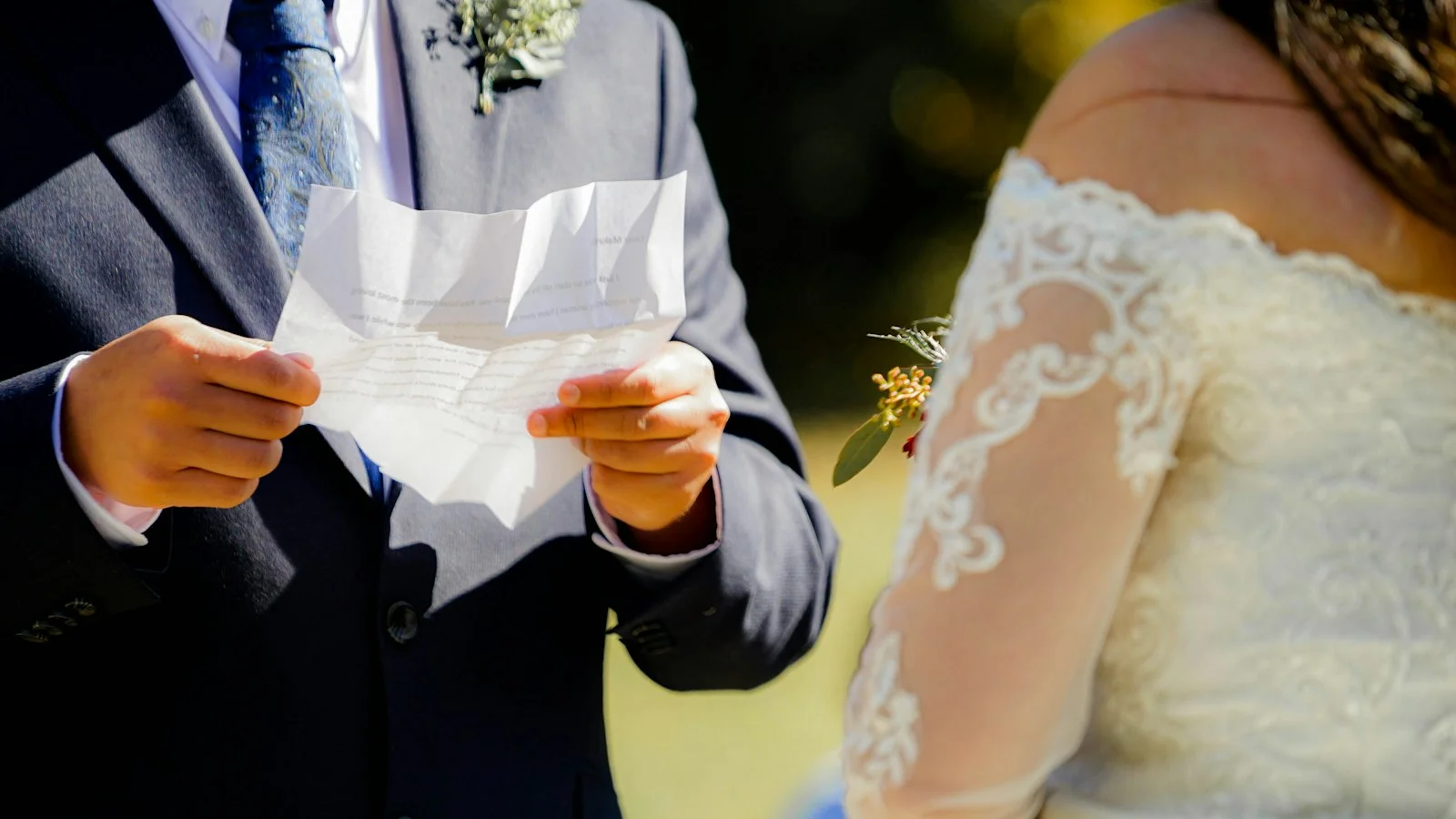
The difference between a civil ceremony and a religious ceremony is who leads it, where it can happen and what it can include. A civil ceremony is led by a registrar at a register office or an approved venue and can't include anything religious. A religious ceremony takes place at a registered religious building, with an authorised person such as a minister. Here's how a civil ceremony or religious ceremony works, and what the difference means for your plans.
Quick answer: A civil ceremony is carried out by, or in front of, a registrar at a register office or a council-approved venue, with no religious content. A religious ceremony happens at a registered religious building and an authorised person, such as a minister, signs the marriage schedule. Both need notice at the register office first.
Key Takeaways
Both kinds of wedding start the same way: giving notice at the register office at least 29 days before.
A civil ceremony can be at a register office or any venue approved by the local council.
Civil ceremonies can include readings, songs and music, but nothing religious.
A religious wedding can take place at any registered religious building.
A civil partnership can't be formed with a religious ceremony.
What the two have in common
Whichever you choose, in England and Wales you give notice at the register office at least 29 days before the ceremony, and you marry within 12 months of giving notice. Our guide to giving notice of marriage explains the appointment and documents.
You must exchange vows if you're getting married. After the ceremony you, your witnesses and the person conducting it sign the marriage schedule, which is sent to your local register office and added to the register.
Civil ceremonies
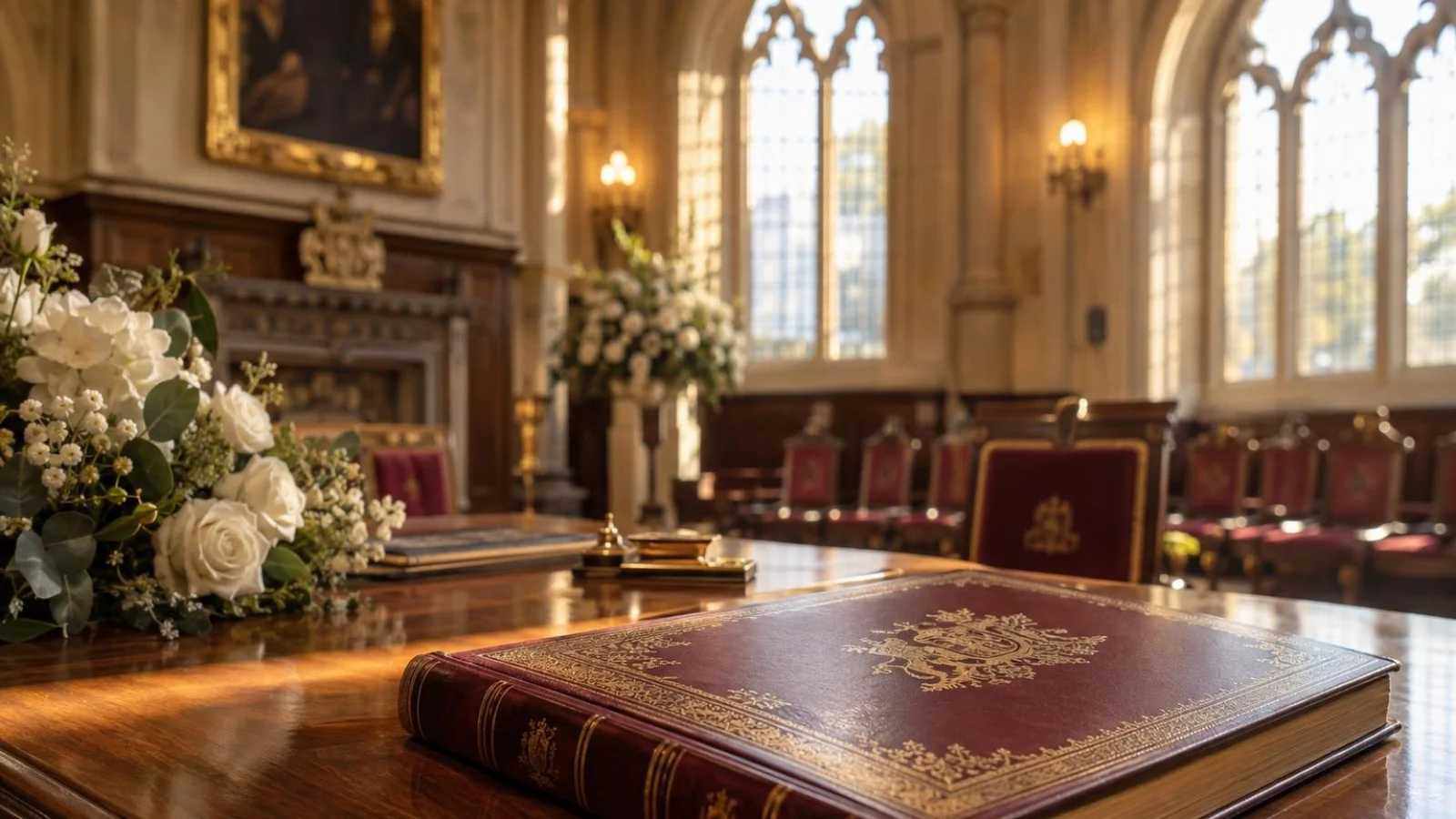
A civil ceremony can take place at a register office or at any venue approved by the local council, such as a stately home or a hotel. A registrar must carry out the ceremony or be present at it, and you need at least 2 witnesses.
You can include readings, songs or music, but nothing religious. GOV.UK gives hymns and readings from the Bible or the Torah as examples of what can't be included.
Adding a blessing afterwards
If you'd like a religious element, you can have a religious blessing after a civil ceremony. Talk to the place of worship about what they offer.
Religious ceremonies
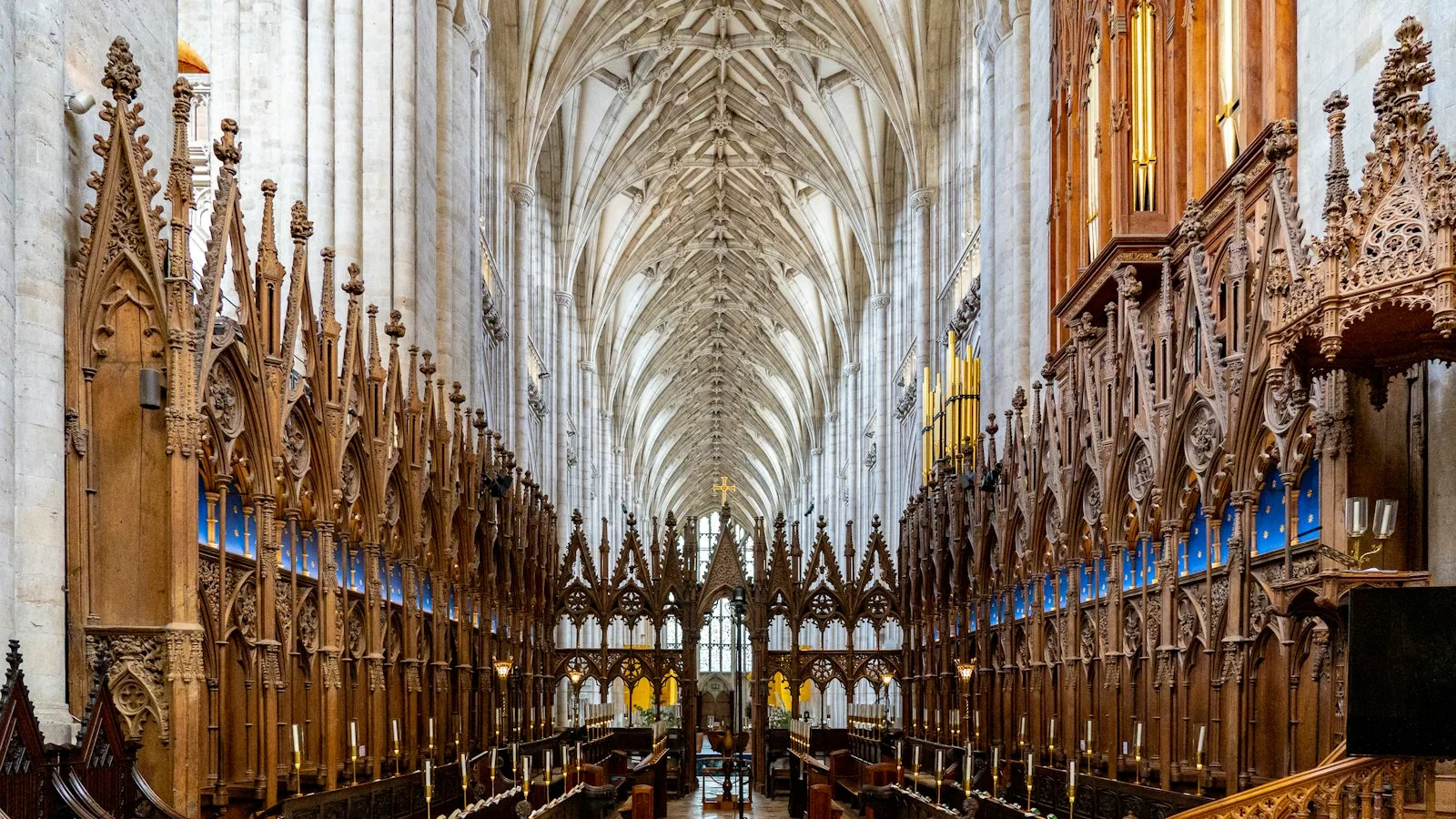
A religious wedding can take place at any registered religious building. An authorised person, such as a religious minister, must attend and sign the marriage schedule or marriage document. If the venue doesn't have an authorised person, you'll need to book a registrar.
Same-sex couples can marry in a religious building if it's registered for the marriage of same-sex couples. A same-sex couple can't marry in an Anglican church.
Church of England and Church in Wales weddings
The process of giving notice might be different for an Anglican wedding. Speak to the church before you book anything at the register office.
Registrar fees
At the time of writing, GOV.UK lists these registrar costs:
Where the ceremony takes place | Registrar cost |
|---|---|
Register office | £62 |
Registered religious building | £114.50 |
Other approved premises | Costs may be different |
Fees for approved venues are set locally, so ask your council or venue for the current figure. The notice fee is separate.
Civil partnerships
If you're forming a civil partnership you can't have a religious ceremony. You don't need to exchange vows for a civil partnership, though you can if you'd like to.
Civil ceremony or religious ceremony: which is right for you?
It usually comes down to your beliefs and the setting you want. A civil ceremony gives you more choice of venue, while a religious ceremony keeps the day within your faith and its building.
Whichever you choose, the venue and the ceremony type shape the rest of your plan. Our questions to ask a wedding venue will help you check a venue can host the ceremony you want.
For what comes after that, our wedding planning timeline puts the next steps in order.
Frequently asked questions
Can we have a religious reading at a civil ceremony?
No. Civil ceremonies can include readings, songs or music, but must not include anything religious. You can have a religious blessing after a civil ceremony.
Do we still need to go to the register office for a religious wedding?
In most cases you still give notice at the register office first. Anglican weddings can work differently, so check with the church.
How many witnesses do we need?
At least 2.
Can we have a civil ceremony outdoors?
A civil ceremony must take place at a register office or a venue approved by the local council. Ask the venue exactly which spaces are approved.
Your next step
Decide which kind of ceremony suits you, then check the venue can host it before you pay a deposit. For the whole legal process, read our legal steps to getting married.
The official rules are on GOV.UK's guide to planning your ceremony, which also lists the current registrar fees.